esotoノJournalノ
#03
Contemporary Hatago Cuisine|A Year at the Table
2026-07-13
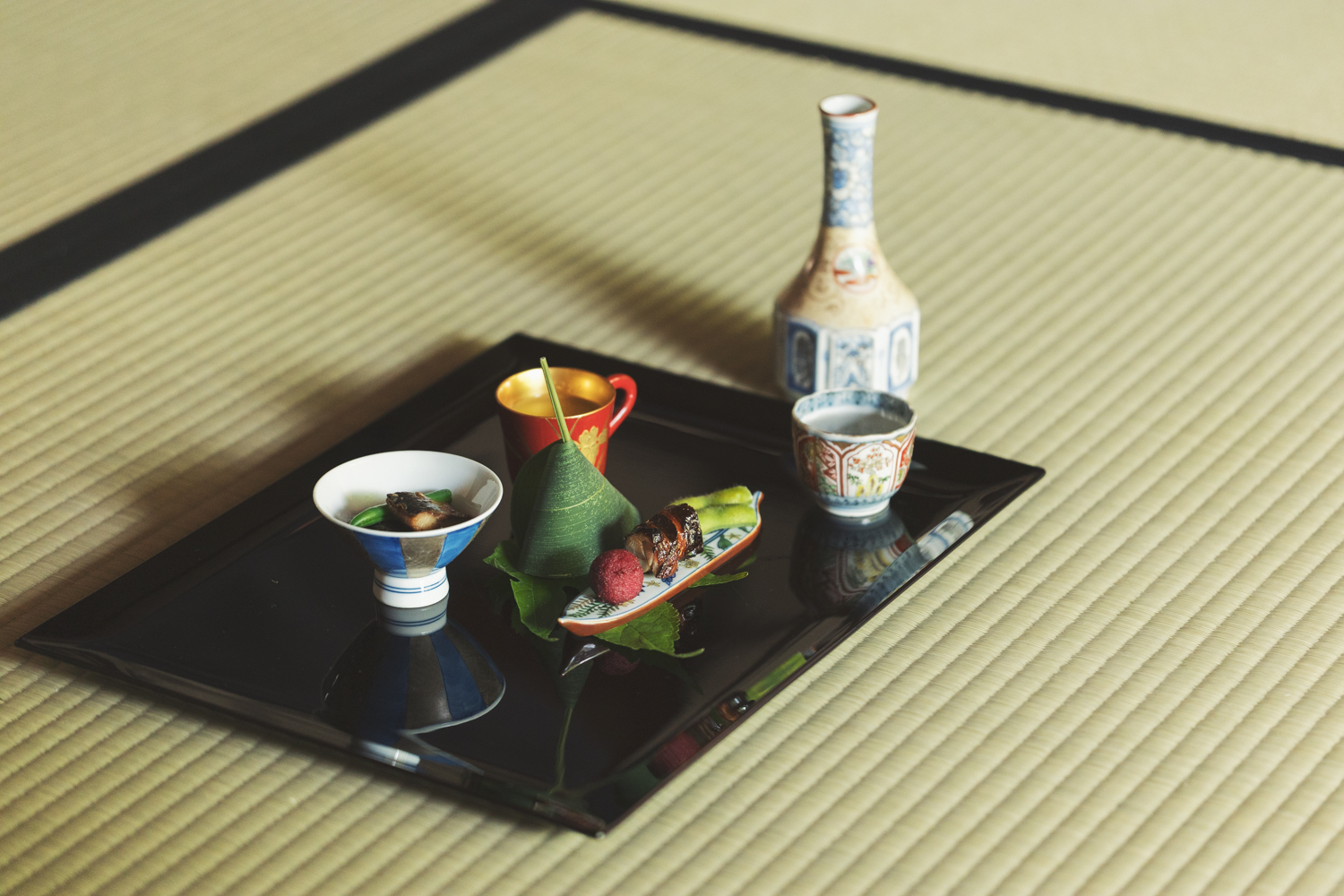
Daigahara, a post town along the historic Koshu Kaido.
In the Edo period, travellers stopped here to remove their straw sandals, gather around the irori hearth, and share cups of sake.
Private Villa esoto carries those memories into the present as a private cultural residence, reserved for just one party each day.
We call the food served here “Contemporary Hatago Cuisine.”
Just as the tables of old post towns offered travellers the bounty of the land for a single night, we bring together the water and rice of Daigahara, ingredients of the season, and the sake of Shichiken, brewed here for nearly three centuries.
Reimagined for today, each meal is prepared for one party, and one party only.
This is what Contemporary Hatago Cuisine means to us.
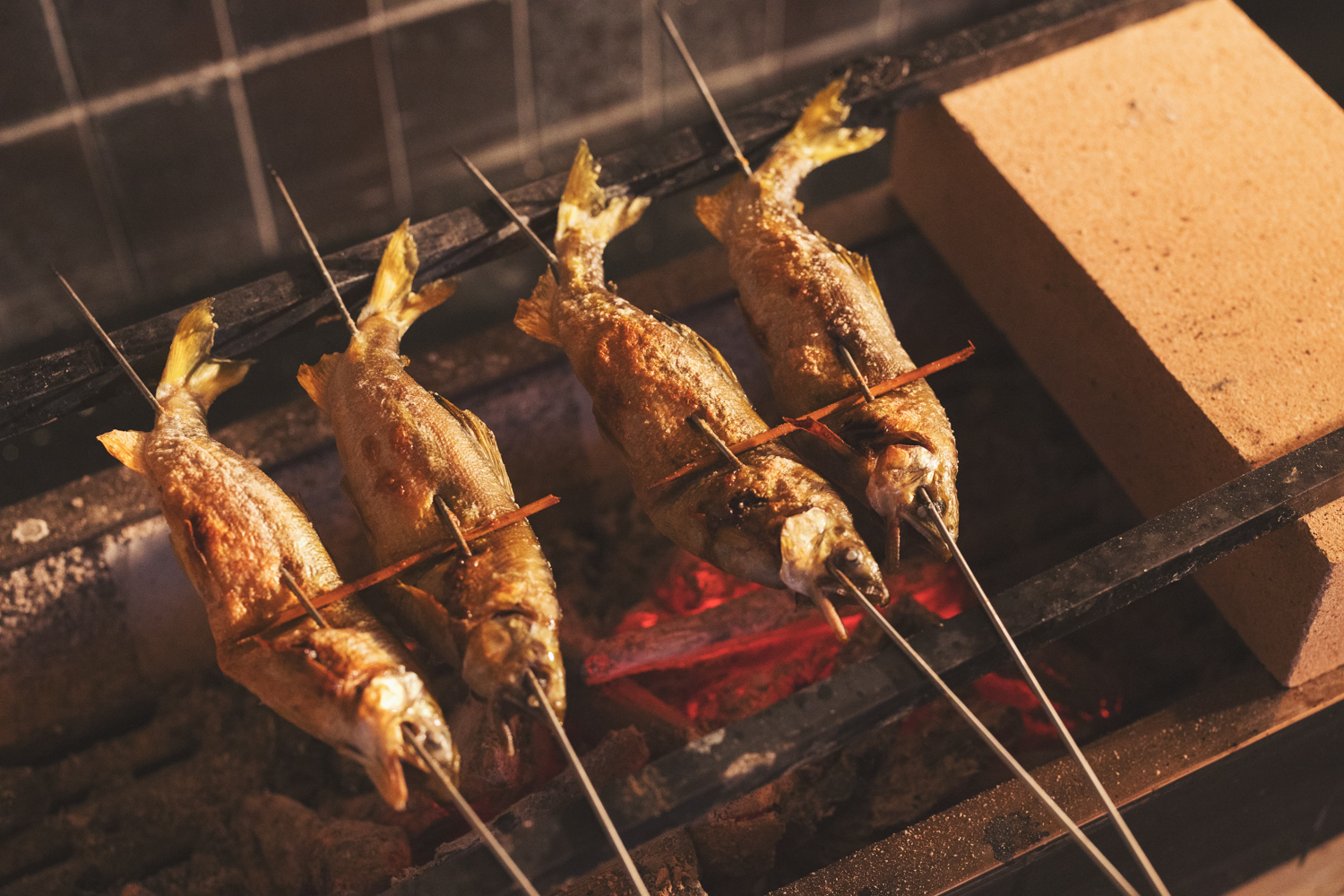
In this Letter, we follow the cuisine through the course of a year, guided by the Japanese calendar.
Each of the twelve months carries its own seasonal observances and traditions—and dishes that belong only to that particular moment.
We invite you to read this as the opening page of a year of seasonal letters yet to come.
THE TASTE OF A POST TOWN
Daigahara-juku, Where Travellers Rested over Sake
A meal at esoto begins quietly, with these words from our Hatago chef:
Thank you for joining us today.
Daigahara-juku was one of the post towns established along the Koshu Kaido during the Edo period.
Each post town is said to have had a character of its own, and Daigahara became known as a place where travellers could rest and enjoy sake.
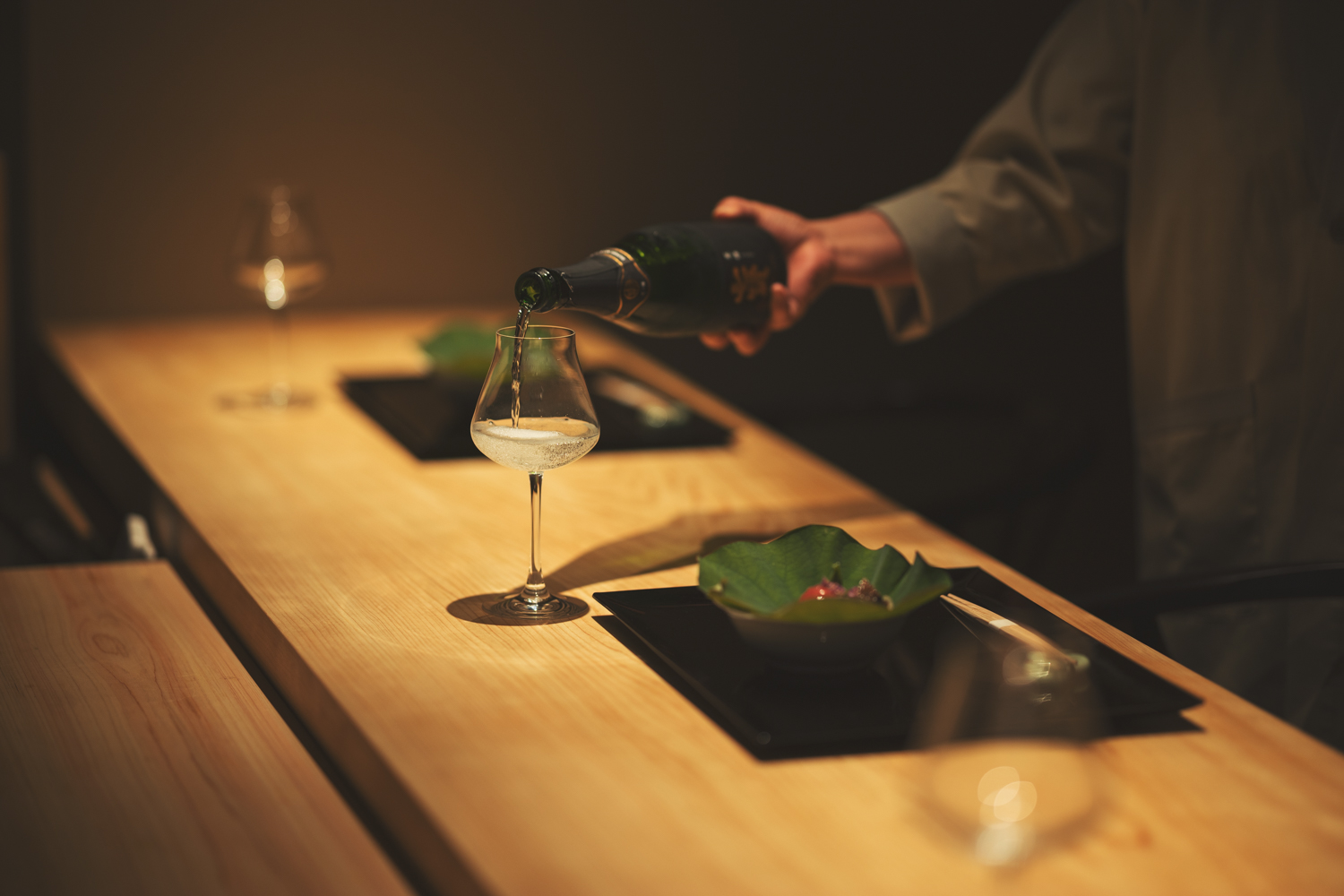
So this evening, we have paired each dish with sake from our own brewery.
We hope you enjoy the food and sake together.
― Hatago Chef, esoto
“Our own sake” is Shichiken, a sake brand founded in 1750.
Underground water filtered through the granite layers of Mt. Kaikomagatake.
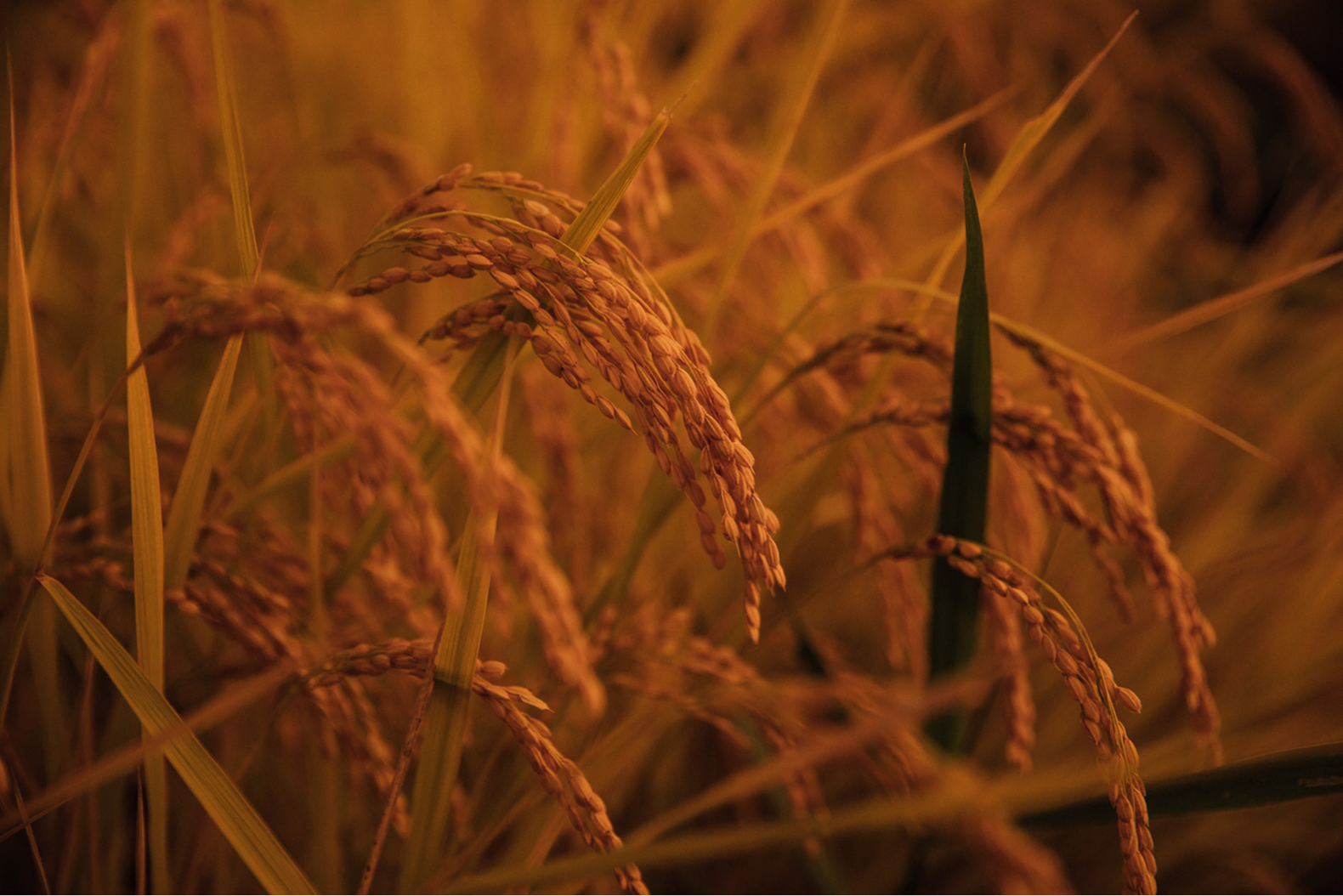
Sake rice grown here in the region.
With a glass of Shichiken at the heart of the table, seasonal ingredients are prepared simply, allowing each to complement the sake without excess.
This is how the table at esoto takes shape.
SOBA ROAD AND SHARED TABLE
The Soba Road, and Gathering Around One Pot
On some evenings, soba appears midway through the course.
When it does, the chef may share a small piece of history:
The Koshu Kaido connected this region with Shinshu,
and was once also known as the “Soba Road.”
And on evenings when steam rises from a simmering pot:
In the hatago inns of old, a pot would hang above the irori hearth,
with travellers gathering around it to share a meal.
Today, we reinterpret that scene around the counter,
serving each guest an individual pot.
To translate the history of a place into the warmth of a single bite.
This is the spirit of Contemporary Hatago Cuisine at esoto.
TWELVE MONTHS AT THE TABLE
Twelve Months of Seasonal Stories
At esoto, the festivals, rituals, and traditions unique to each month are quietly woven into our hassun and individual dishes.
From January through December, each month carries its own story, told at the table by our Hatago chef.
Here, we share fragments of those twelve seasonal stories.
Mutsuki | January
New Year Hassun
An auspicious hassun to welcome the beginning of a new year.
Black soybeans, for a year lived in good health and diligence.
Prawns, for a life long enough to grow bent with age.
Herring roe, for the blessing of future generations.
Each ingredient carries a wish for the year ahead.
〈Examples〉
Black soybeans / Prawns / Herring roe / New Year hassun
Kisaragi | February
Kinen-sai and Risshun Asashibori
On February 17, as preparations for spring cultivation begin, Kinen-sai ceremonies are held at the Imperial Palace and shrines throughout Japan to pray for an abundant harvest.
Together with Niiname-sai in November, it is one of the important observances in Japan’s rice-growing calendar.
On Risshun, the traditional first day of spring, sake breweries across Japan also observe Risshun Asashibori.
Sake is pressed in the early hours of that very morning, blessed at a shrine, and then sent out—a brewery tradition carrying wishes for health and well-being.
Rice and sake.
Two prayers, brought together on one plate.
〈Examples〉
Soybeans / Mountain vegetables
Yayoi | March
Momo no Sekku — The Peach Festival
March 3 marks Joshi no Sekku, one of Japan’s five traditional seasonal festivals.
Originally, sekku were occasions for using fragrant plants to cleanse the body of impurity and misfortune.
The Hinamatsuri celebrated today was not originally an occasion solely for girls, but a day to pray for health and protection from harm.
It was once believed that drinking shirozake with peach blossoms floating upon it would bring good health.
A table prepared to gently cleanse away the burdens of the season.
〈Examples〉
Hishimochi / Clams / Shirozake
Uzuki | April
Spring Festival
Spring festivals of the past were different from the cherry-blossom gatherings and celebrations we know today.
Many began as sacred rituals to pray for a plentiful harvest.
It was once believed that the deity of the rice fields retreated into the mountains during winter, becoming a mountain deity.
As warmth returned in spring, ceremonies welcomed the deity back down from the mountains.
We welcome the gifts of the mountains to our table.
〈Examples〉
Bamboo shoots / Mountain vegetables / Mugwort
Satsuki | May
Hachijuhachiya — The Eighty-Eighth Night
Hachijuhachiya falls on the eighty-eighth day after Risshun, the traditional beginning of spring.
Before modern calendars became commonplace, this day served as a guide for sowing rice seeds and beginning the planting season.
For sake brewing, few things are more precious than rice.
The season of beginnings, carried by the fragrance of fresh green leaves.
〈Examples〉
Matcha sesame tofu / New-season tea
Minazuki | June
Nagoshi no Harae — Summer Purification
Twice each year, shrines throughout Japan perform the ritual of Oharai, or great purification.
One of these, Nagoshi no Harae, takes place on June 30.
In Shinto ritual, sake has long been regarded as one of the finest offerings to the deities.
By sharing the same food and drink, the bond between the divine and the human was believed to deepen.
A table prepared to welcome the heat of summer with a clear and purified spirit.
〈Examples〉
Minazuki tofu / Azuki beans
Fumizuki | July
Summer Festivals
Yukata. Festival stalls. Fireworks.
Today’s summer festivals are colourful celebrations, but their origins were rather different.
As agricultural work intensified in summer, festivals were held as sacred rituals to ward off disease and pray for a rich autumn harvest.
Before modern sanitation, summer brought greater risks of epidemics, typhoons, and crop-damaging insects.
These misfortunes were sometimes understood as signs of divine anger, and festivals began as prayers to bring calm once more.
May the rice destined to become sake
grow abundant again this autumn.
〈Examples〉
Bamboo-leaf wrapped dishes / Somen noodles / Summer vegetables
Hazuki | August
Obon and Bon Odori
Obon is traditionally a time to honour and remember one’s ancestors, and Bon Odori is said to have developed from these observances.
Until the Meiji era, however, Buddhism and Shinto practices were deeply intertwined. Obon also carried a Shinto meaning: an occasion to celebrate the coming autumn harvest in advance with the deities.
From the following month, the harvest of sake rice begins.
Praying for abundance, alongside the gifts of summer.
〈Examples〉
Lotus root / Hozuki / Eggplant / Cucumber
Nagatsuki | September
Kangetsu-sai — The Harvest Moon
On the night of the autumn harvest moon, Kangetsu-sai is held to offer gratitude to the deities for the season’s harvest.
Around this time, the early-ripening rice in esoto’s fields also begins to be harvested.
For sake, there is nothing more fundamental than rice.
Beneath the moonlight, we invite you to experience not only the sake itself, but the cycle of rice cultivation and brewing that lies behind every glass.
〈Examples〉
Rice ears / Taro / Harvest moon-inspired dish
Kannazuki | October
Kanname-sai and Sake Day
In mid-October, Ise Jingu holds Kanname-sai, one of its most important annual ceremonies.
The first rice harvested that year is offered to Amaterasu Omikami in gratitude for the harvest.
Four forms of sake are traditionally presented:
Shiroki, Kuroki, Reishu, and Seishu.
On October 1, Mikeden-sai is held to pray for the successful brewing of these sacred offerings.
The same date is also known throughout Japan as Sake Day, marking the traditional beginning of the brewing season for many sake breweries.
〈Examples〉
Rice ears / New rice / Abalone
Shimotsuki | November
Niiname-sai
On November 23, Niiname-sai, one of the most important ceremonies of the Imperial Court, is observed.
The Emperor offers the newly harvested grains of the year, giving thanks for the harvest and praying for abundance in the year to come.
Since ancient times, rice has been regarded as a gift from the deities.
And sake is born from that rice.
For a sake brewery, it is a ceremony of profound significance.
The main residence of esoto once served as the gyozaisho, or imperial resting place, during Emperor Meiji’s tour of the region.
Since the Niiname-sai of 2020, Shichiken has had the honour of making a ceremonial offering.
〈Examples〉
New rice / Rice ears / Shirozake
Shiwasu | December
Toshikoshi no Oharai — Year-End Purification
On December 31, shrines throughout Japan observe Toshikoshi no Oharai, the great purification marking the close of the year.
It is a quiet ritual to cleanse the impurities and transgressions accumulated unknowingly throughout the year, allowing the new year to begin with a clear body and spirit.
May the year ahead bring you peace and good fortune.
With that wish, we prepare the table.
〈Examples〉
Soba / Black soybeans / Prawns
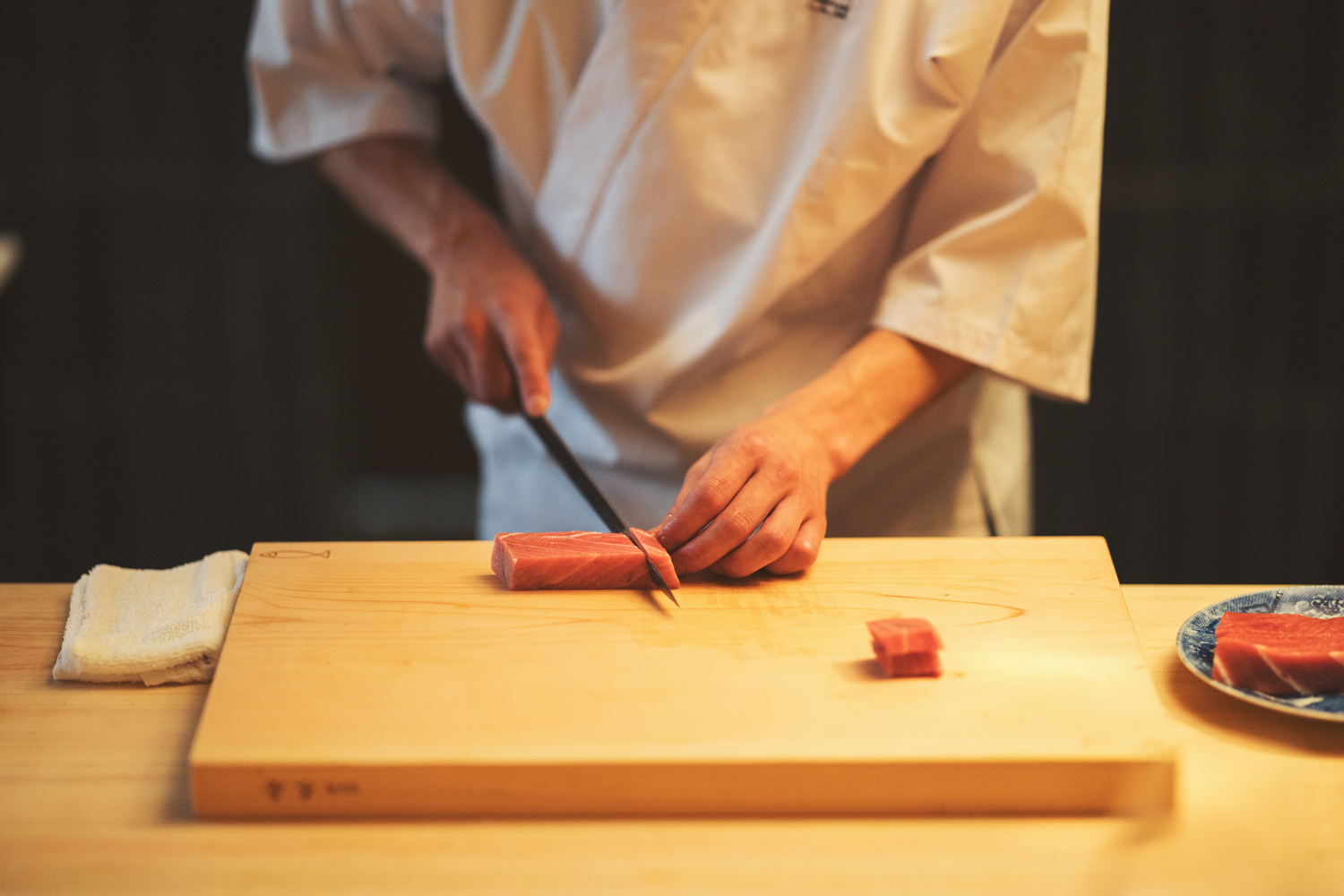
A Table That Moves with the Calendar
The dishes served at esoto are not feasts created simply for the sake of extravagance.
The nature of Hakushu.
Nearly three centuries of brewing.
The Japanese calendar, shaped by generations of seasonal rituals and observances.
A dish is placed at the point where all of these meet.
Even if you return in the same month, the table will never be exactly as it was the year before.
As the ingredients of the season change, so does the atmosphere of the day—and the character of the sake beside them.
This is why the table at esoto continues to move with the calendar.
In the Letters to come, we will explore these twelve months more deeply, one by one, sharing the ingredients, tableware, and conversations with sake that belong to each season.
Seasonal letters, sent from Daigahara-juku.
We hope you will look forward to the next.
Private Villa esoto / Daigahara, Hakushu
Letter vol.03
Contemporary Hatago Cuisine | A Year at the Table